
- info@bmctours-safaris.co.tz
- Contact our Travel Expert:
- +255 754 474 477
- Home
- Safari Package
- Mt. Trekking


- Destinations
NOTHERN CIRCUIT
- Day Trips
- Beach Holliday
- Contact our Travel Expert:
- +255 754 474 477
- info@bmctours-safaris.co.tz
- Home
- Safari Package
- Mt. Trekking
- Destinations
NOTHERN CIRCUIT
- Day Trips
- Beach Holliday
- Home
- Safari Package
- Mt. Trekking
- Destinations
NOTHERN CIRCUIT
- Day Trips
- Beach Holliday
Tanzania Cities
Overview
TANZANIA has been developed with towns and cities with vibrant and fascinating stops and plenty to see and do. Tanzania’s mainland towns and cities have been the major trading centers established by early businessmen and traders passing from the Coast to the Mainland. From the Coast, valuable goods were exported by dhows from China, India and the Middle East.
These towns which have grown up with a big population, play a big role in Tanzania’s tourism development as a major trading and stop centers for tourists travelling in Tanzania and those on the way to key attractive sites. On the mainland, many inland towns were important rest stops for trade caravans on their way to Central Africa or Lake Victoria, or returning back to the East African Coast during the past years.
In the Northern highlands, a number of small towns were founded by the Germans as centers of colonial administration and agriculture. Today, Tanzania’s towns and cities still specialize in trade and agriculture and are of economic activity in their regions. Besides their obvious importance in the local economy, the towns and cities of Tanzania have many historical and cultural sites of interest to visitors.
ARUSHA
Located in the Northern highlands of Tanzania, beneath the twin peaks of Mount Meru and Mount Kilimanjaro, Arusha is the safari capital of Tanzania.
Guests embarking on the popular Northern safari circuit stop in the city, commonly known as ‘Geneva of Africa’ to prepare for their journey into the African bush. From its two-lane streets, the dramatic crater of Mt. Meru stands over the town like a majestic sentinel, its crater strewn with thick clouds, and slopes dark with verdant forest.
Arusha is ideal location near the major National Parks and it’s highland setting make it a peaceful idyll of relaxation before the start of an exciting journey. Built by the Germans as a centre for colonial administration in the early 20th Century, Arusha was a sleepy town with a garrison stationed at the Old Boma and a few shops around a grassy roundabout.

BAGAMOYO
Bagamoyo is a centre for dhow sailboat building on the Tanzanian Coast. A quiet village with a few German colonial buildings still standing, it was once one the most important trading ports on the East African Coast, and the penultimate stop of slave and ivory caravans travelling on foot from Lake Tanganyika on their way to Zanzibar. Missionaries active in abolishing the slave trade made Bagamoyo a centre for their activities.
The name ‘Bagamoyo’ means ‘Lay down your Heart’ in Kiswahili, this is particularly poignant given that the town was the last stop on the mainland before captured slaves were sent to destinations unknown from Zanzibar, never to return.

DAR ES SALAAM
Dar es Salaam is Tanzania’s largest city and economic capital. Located in a quiet bay off the Indian Ocean Coast, the city has grown in economic importance to become a prosperous centre in the East African region. The city’s bustling harbor is the main port in Tanzania and its industrial area produces products for export and use throughout the country.
Government offices have their main base in Dar es Salaam, and diplomatic missions and nongovernmental organizations in the country all have a presence in this bustling city. During German occupation in the early 20th Century, Dar es Salaam was the centre of colonial administration and the main contact point between the agricultural mainland and the world of trade and commerce in the Indian Ocean and Swahili Coast. Remnants of colonial presence, both German and British, can still be seen in the landmarks and architecture around the city.

DODOMA
Located in the heartland of Tanzania, Dodoma is the nation’s official political capital and the seat of government in the country. Comparably much smaller and less developed than the country’s commercial centre, Dar es Salaam, Dodoma remains a centre for national politics.
Situated on the Eastern edge of the Southern highlands, the city is surrounded by a rich agricultural area and pleasant scenery. It is the centre of Tanzania’s growing wine industry and the Tanganyika Vineyards Company is actively promoting its products.
Historically, Dodoma was a stopover on the overland caravan route that travelled from the Swahili Coast inland towards Lake Tanganyika. Early in the 20th Century, the city became a major point on the Central Line Railway, which carried agricultural crops for export to the harbor in Dar es Salaam.

IRINGA
Located in the Southern highlands of Tanzania, South of the country’s legislative capital, Dodoma, and Southwest of the agricultural centre of Morogoro, Iringa is a pleasant small town and a locus of regional agriculture and production. Its streets are quiet and peaceful, and the market offers a colorful scene of traditional African culture. Iringa overlooks the Little Ruaha River and is a popular stopping point for visitors to Ruaha National Park.
Historically, Iringa was a centre of colonial administration. During German occupation, the German military constructed the town as a fortified defense against marauding Hehe tribal warriors intent on driving them out of the region. Gangilonga Rock (Speaking stone), is a site just outside Iringa town.
It is a legendary spot where the Hehe chief at that time, Chief Mkwawa, met with his people then decided how to fight the Germans. Iringa was also the site of several battles during the First and Second World Wars, and Commonwealth War graves are located just outside of town.
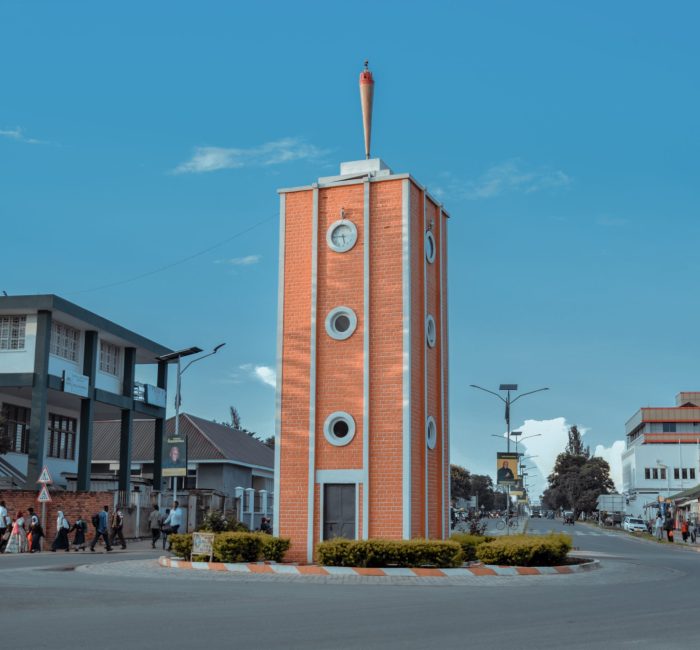
KIGOMA
The bustling town of Kigoma is the regional capital of Western Tanzania and a central port in the area. Located on the Eastern shores of Lake Tanganyika, Kigoma is surrounded by rugged mountains and forests that make it a pleasing and beautiful location.
In the past, Kigoma has been in competition with nearby Ujiji, but over the last few decades Kigoma has gained a strong economic foothold in the region and its port is of central importance to the activities of the area.
The town makes a good overland base for visiting the Chimpanzee Safari to the Gombe Stream National Park and Mahale Mountains National Park.

MBEYA
Located near the Zambian border deep in the Southern Highlands, Mbeya city is the major agricultural capital in the country’s Southwest region. The Mbeya Mountain Range lies to the North, and the Uporoto Mountain Range lies to the Southeast. Coffee, tea, bananas and cocoa, all of which are grown in the region, are sent to Mbeya for packaging and transporting. Mbeya’s location also make it an ideal transit point with goods and people travelling by road, rail and boat between Tanzania and neighboring Zambia and Malawi.
In addition to its agricultural prosperity, Mbeya’s mineral wealth has attracted investment and provides the country with a good source of income. The city had grown from a small town that was originally founded in the 1930s, when gold was discovered and a ‘gold rush’ ensued. The Mbeya gold supply turned out to be large giving for the city an opportunity to become properly established and saved it from becoming a ghost-town status as so often happened after the gold ran out. The city continues to supply the country with a regular amount of gold. Its mountain views and pleasant weather make it a good stopover point for over land travelers heading south.
MOSHI
Nestled at the base of Mt Kilimanjaro, Moshi is the coffee producing centre of the country. Vast plantations of coffee blanket the area, surrounding the town and rising up the slopes of Kilimanjaro. Coffee is the mainstay of life in Moshi, and the seasonal coffee auctions, where international buyers bid for wholesale coffee, is an event not to be missed if you’re in town. Sugar plantations are also of central importance to the region’s economy, and can be seen outside the town.
Cultural tourism programs can arrange short hikes and daytrips to local villages, and also tours to nearby coffee farms. The main reason visitors come to Moshi is to climb Mt Kilimanjaro, the mountain whose thick clouds and snow-capped peak tower over the agricultural town. Climbing expeditions depart for Kilimanjaro National Park early in the morning, before the clouds that cluster daily around the mountaintop have risen, and when the air is fresh and cool. Whether you’re in Moshi to scale to the top of Africa or learn more about coffee growing and production, Moshi is a quiet haven of tranquil peace; its sedate streets offer a warm welcome in a beautiful setting.
“Whether you’re in Moshi to scale to the top of Africa or learn more about coffee growing and production, Moshi is a quiet haven of tranquil peace…”


MWANZA
Mwanza city or “Rock City” is the major Tanzanian port on Lake Victoria and a centre of economic importance in the region. The lake borders Uganda to the North-West, and Kenya to the Northeast.
Export and transport between the countries is the foundation of Mwanza’s economy. Around the city of Mwanza, the land is primarily devoted to agricultural enterprise. Tea, cotton, and coffee plantations throughout the area produce large volumes of cash crops that pass though Mwanza on their way to market.
For visitors, the city makes a good base from which to explore nearby Rubondo Island National Park and the Western parts of the Serengeti. Rubondo Island National Park offers pleasant day-hikes and bird watching around the lakeshore. Mwanza’s proximity to the Western Serengeti make it a necessary stop for visitors who want to experience a less busy part of the park and see the magic of the Serengeti without the parade of safari vehicles and seasonal crowds. Mwanza is also the centre of the Sukuma, the largest tribal group in Tanzania, who have inhabited and farmed the region for centuries. Cultural tourism programs to their local villages and farms can be arranged through the local cultural centre.


PANGANI
Once a centre of Swahili trade with the African mainland, the town of Pangani is now a sleepy backwater that remembers little about its splendorous past. An old German administrative Boma still stands behind a colonnade of tall shade trees and the former prison, painted a fading ochre red, looks over the river’s lazy waters.
Old houses along the main road offer lived-in examples of colonial and traditional Swahili architecture, with buildings slowly crumbling against the monsoon winds. Visitors passing through the area would do well to explore what remains of the old town on foot. Even a short walk rewards visitors with a glimpse of quiet life in the old trading towns along the Swahili Coast.

STONE TOWN
Zanzibar’s old quarter, also known as Zanzibar Town, is a fascinating maze of narrow streets and alleyways which lead past numerous old houses and mosques, ornate palaces, shops and bazaars. Many buildings in Stone Town date from the 19th Century slave trade boom. Highlights include the magnificent House of Wonders, the Palace Museum and the seafront fish market in Forodhani Gardens.
The town is situated along the waterfront, and has a number of wonderful cafes and restaurants that overlook the sea and magnificent sunsets.

TABORA
The sleepy town of Tabora, in the neighborhood of Western Tanzania, remains a key transit point in the country. The Central Line railway branches at Tabora to Kigoma and Mwanza, and visitors travelling by train often use Tabora as a stopover point during their journey. The regions around Tabora are famous for the honey they produce, and large jerry cans and bottles of the famous nectar can be bought in the village market. Tabora was once a major trading point and stopover for caravans that connected Lake Tanganyika and Central Africa with the coastal town of Bagamoyo to the Northeast. Its historical importance is illustrated by the fact that the infamous slave and ivory trader Tippu Tip, who lived during the 19th Century, made extensive use of Tabora as a centre of his vast trading empire.
TANGA
The bustling port of Tanga is Tanzania’s second port after the urban centre of Dar es Salaam. Although the port is a centre of marine export, import, and trade, the town of Tanga still has a quiet, laid-back feel to it, as if not much has changed over the decades. Indeed, along the older sections of the town, examples of old colonial architecture and a few Arab houses still give testament to the area’s importance during the prime of Indian Ocean trade.
The fish market and beaches make a pleasant stop during a day trip, and the city is a good place for buying supplies if you’re headed to one of the more remote areas of beaches on the Northern Coast.

TANGA
Karatu town is a small settlement full with tourist excitement and vigor. Visitors on their way to the Serengeti and Ngorongoro Crater pass through the town of Karatu, under the benevolent peak of Ol Deani, on their way through the Northern highlands. After climbing the Manyara Escarpment, the vegetation becomes more lush and green, finally entering into the highlands around Karatu. The extinct volcano of Ol
Deani has gentle slopes and it is a prominent feature of the landscape. In the past, the area around Karatu and Ol Deani was of great importance to the German colonial administration. The area’s cool climate, verdant hills, and pleasing views make it popular with settlers and farmers. Vast and extensive fields cover the slopes of the volcano and the lands around Karatu town. Coffee was a main crop grown for export, and a few large farms that remained in private hands still cultivate the cash crop on the hills and small valleys outside of town. Karatu offers splendid views of the Northern highlands and is a popular base for visitors on their way to Ngorongoro Crater.
Get in touch

BMC TOURS & SAFARIS
Address
P O Box 10695, Arusha, Tanzania
Phone
+255 754 47 44 77 +255 739 47 44 77
info@bmctours-safaris.co.tz gm@bmctours-safaris.co.tz
Address
P O Box 10695, Arusha, Tanzania
info@bmctours-safaris.co.tz gm@bmctours-safaris.co.tz
Phone
+255 754 47 44 77 +255 739 47 44 77
Our dedicated team of staff has strong foreign-language capabilities and the experience to be sensitive to cultural differences.
Quick Link
We Accept


© 2026 bmc tours & safaris
