Cultural Tourism

Overview

Cultural tourism programs are beneficial to everyone – the tourists get a unique, unforgettable experience, the local people generate income and improve their standard of living, and both parties gain a valuable understanding of another culture which will last long after the visitors have returned home. Most cultural tourism programs are located near the main thoroughfares of the principal tourist destinations, making a cultural addition to a safari easy to arrange.
Eyasi

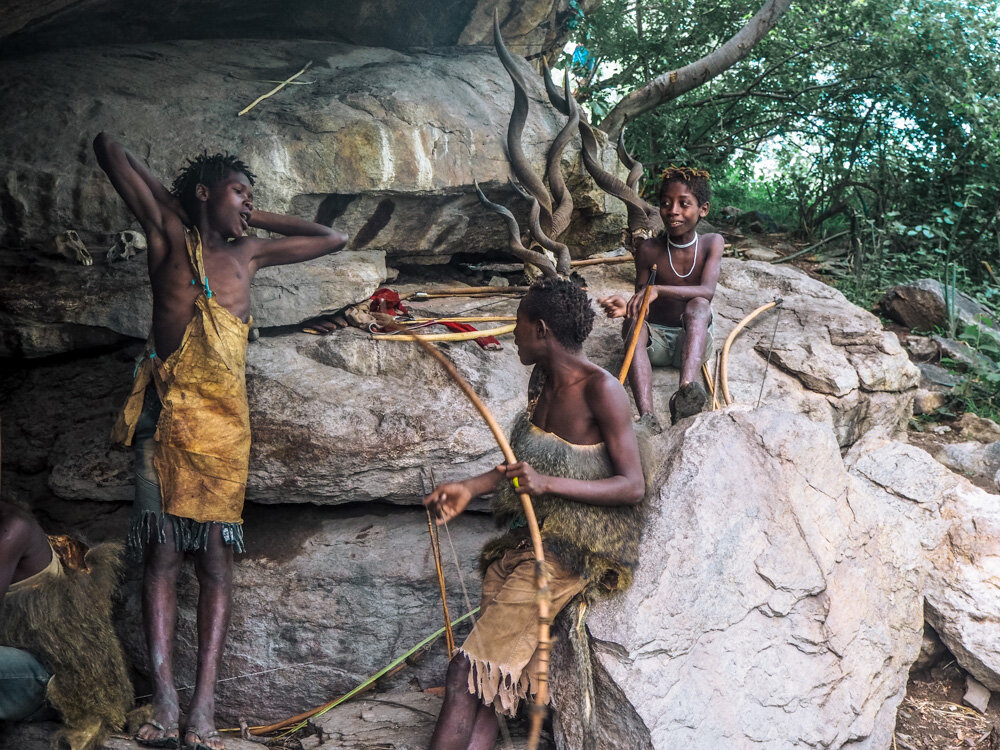
Eyasi is home to some of the last hunter-gatherers in Africa, the Hadzabe. This cultural group has made the area around Lake Eyasi their long-time hunting grounds.

A day-trip or longer safari with the Hadzabe gives visitors a chance to experience a way of life which used to common to all human societies on the planet, but is now rarely practiced anywhere. Morning hunts with the Hadzabe warriors, armed with bows and arrows, offer a fascinating glimpse into the hunter-gatherer way of life.

Honey-gathering, walks to find traditional healing plants and food, and traditional dances are all part of the Hadzabe cultural tourism experience.

Maasai Land

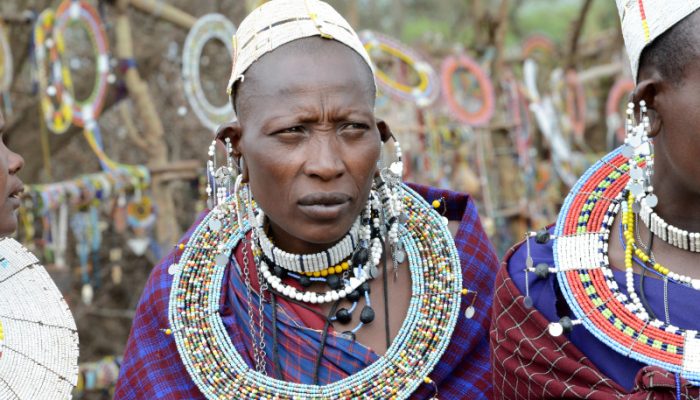
See how the Maasai, among the last of the world’s pastoral peoples, are adapting to the 21st century in their own way and in their own time.

Around 12 distinct groups of Maasai remain in the world, the largest of which now lives in Tanzania.

Visit Engaruka, the lost city in the shadow of the Great Rift Wall, where Maasai mix irrigation, farming and traditional herding. In Mkuru, near Arusha National Park, short camel treks with local Maasai give visitors a glimpse into nomadic culture, as they climb nearby Ol Donyo Landaree.

masai culture

Meru

Only minutes from bustling Arusha and centered around Africa’s fifth highest peak are spots that look and feel as they did decades ago. But everywhere, too, is transition as the WaArusha and WaMeru peoples adapt tradition to progress and science. Visitors can meet a traditional healer, learn about animal husbandry and agriculture, and buy carvings and foodstuffs from local handicraft co-operatives or women’s’ businesses.

Usambara

Africa’s Switzerland and a hiker’s paradise, with dozens of varied treks from half a day to a week.

This stunning mountainous range is accessible from Lushoto in the West, home to one of Tanzania’s great historical kingdoms, or alternatively Amani in the East. Today, much of the mountains are used in the production of coffee, sisal, tea, and cinchona, with rice grown in the swampy foothills.

Southern Pare Mountain

Walk the most remote mountains of Northern Tanzania with local farmers, through traditional Pare villages and dense tropical forests.

From half day to three day guided hikes, this is an opportunity to step into the culture of the Pare people.Visit the Mghimbi Caves, secret hiding place during the slave raids, and then proceed to Malameni Rock, the scene of human sacrifices to appease evil spirits up until the 1930s. Profits from these tours are used to subsidize much needed energy saving stoves and educational scholarships.

Zanzibar

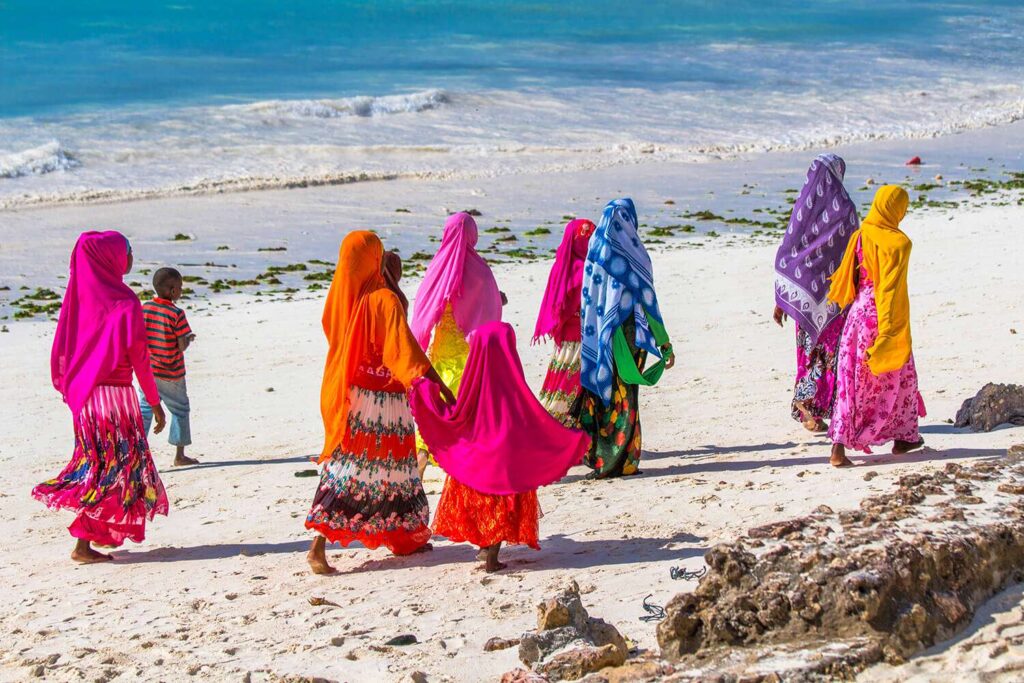
A tour of the heartland of Swahili culture is a great way for visitors to immerse themselves in the local culture and to see how many Zanzibar’s live on a day to day basis.

Learn about the many elements of the cultural fusion and cosmopolitan life that is Zanzibar society – music and dance, visual arts, traditional games, cuisine, and dhow culture to name a few.

A cultural tour is the ideal excursion for those who want a real insight into the people and life on the Island, and is a great way to support sustainable tourism and the people of Zanzibar.